
Ownership. Independence. Possibility.
The American Dream
was always about what comes next.
A place to call your own. A chance to make your work count. Enough independence to choose the next chapter of your life.
Across generations, Americans have built new ways to reach that future. The tools have changed. The desire to build something of your own has endured.
Eight chapters · 1831–1969
Every generation
finds a new frontier.
Swipe, scroll, or use the arrows to explore. You can also view every chapter as a list.
1831
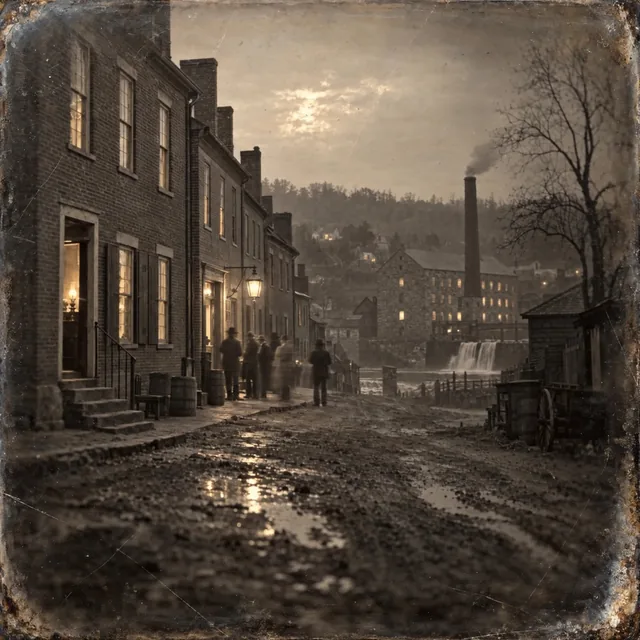
1831American possibility Neighbors build a way in
In Frankford, Pennsylvania, the Oxford Provident Building Association became the first American building and loan. A new institution put the ambition to own a home at the center of saving and lending.
FDIC banking history1862
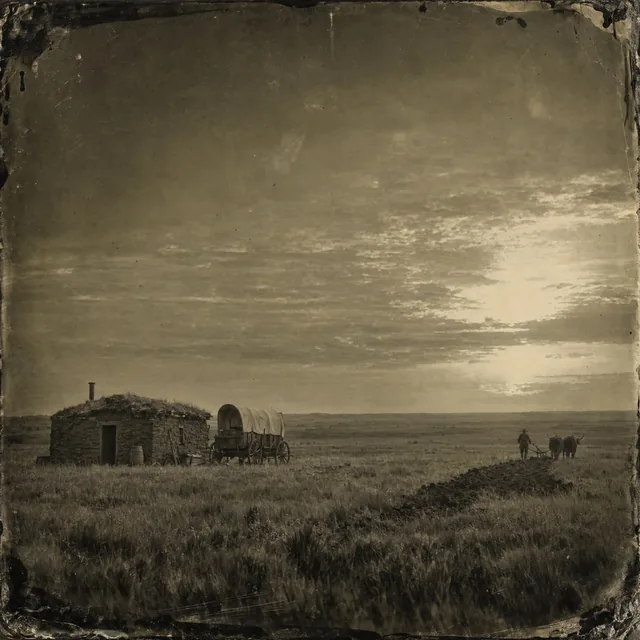
1862American possibility A foothold on the land
The Homestead Act offered eligible settlers a route to 160 acres of public land through residence, improvement and fees. The usual claim required five years. Ownership demanded resources and endurance; it was never simply a free house.
National Archives · Homestead Act1869
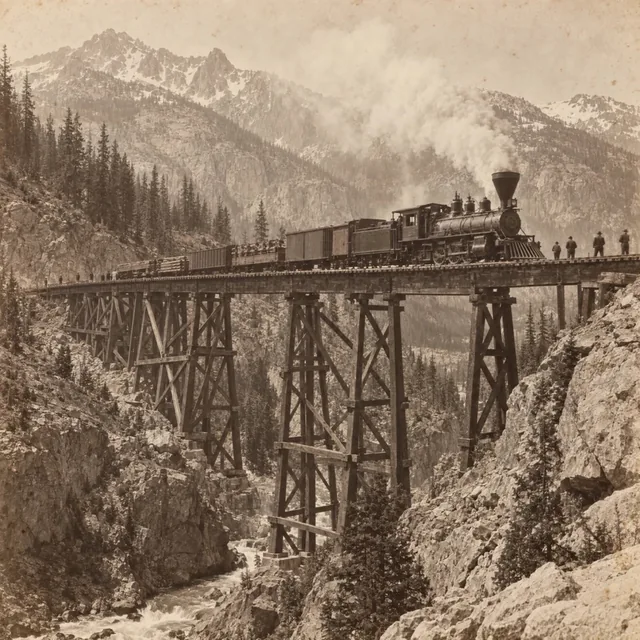
1869American possibility A country connected
On May 10, the first transcontinental railroad was completed at Promontory Summit, Utah. Connecting distant places changed the scale of travel and trade—and the possibilities people could imagine beyond their hometowns.
National Park Service · Golden Spike1926
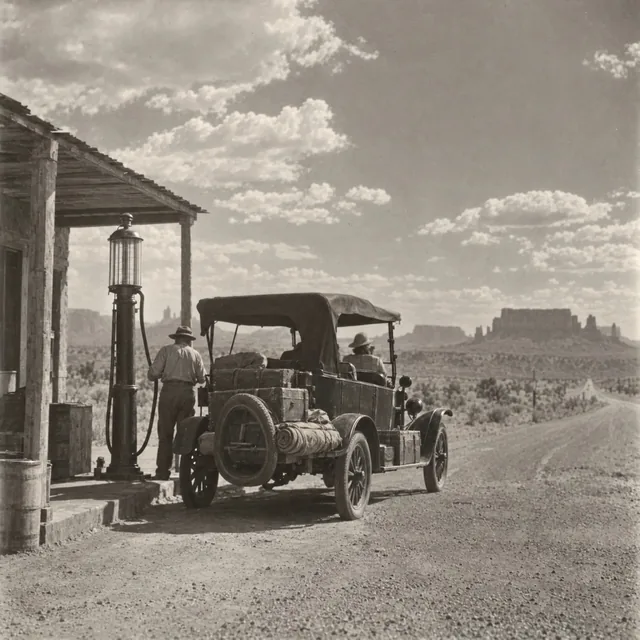
1926American possibility The road toward something new
Route 66 was established between Chicago and Los Angeles. Its main streets, filling stations and roadside businesses became part of a larger American story: the freedom to move, make a living and begin again.
National Park Service · Route 661936
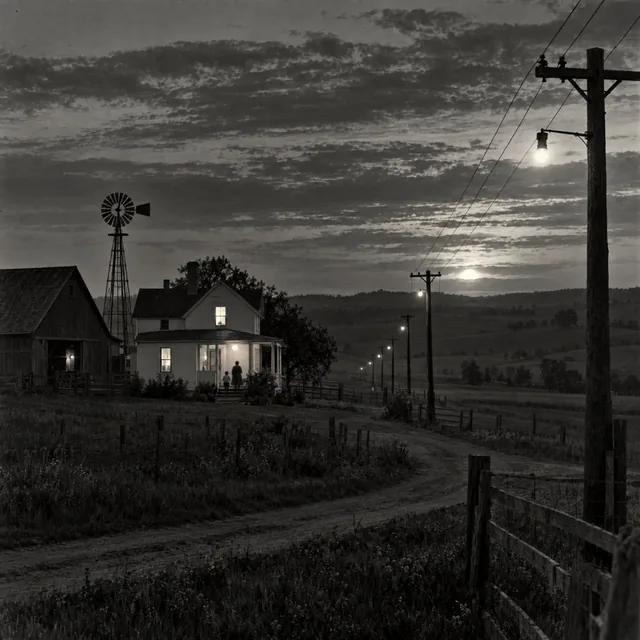
1936American possibility The lights come on
The Rural Electrification Act supported financing for electric service in rural communities. A home’s possibilities depend on more than its walls: the infrastructure around it helps determine the life a family can build there.
USDA · Rural electric programs1944
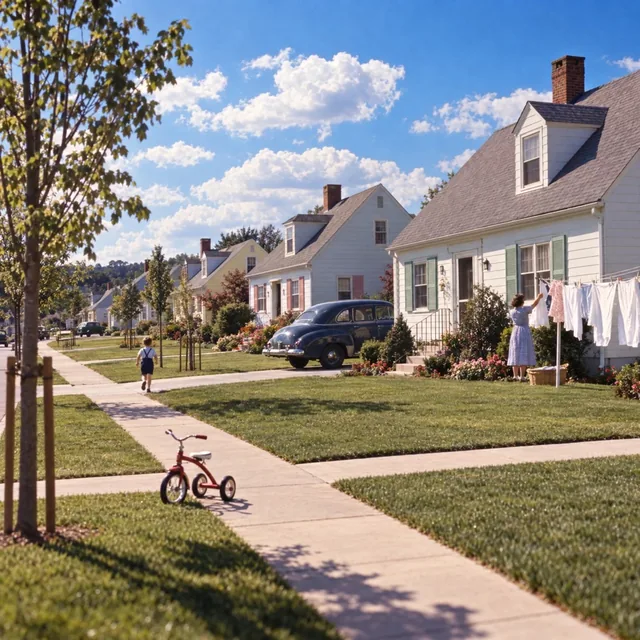
1944American possibility A way home after service
The GI Bill introduced a home-loan guaranty program for eligible veterans. It made financing a central part of the path from service to civilian life. The postwar neighborhood shown here is an illustration, not a record of a particular development or loan.
VA · Home loan program history1956
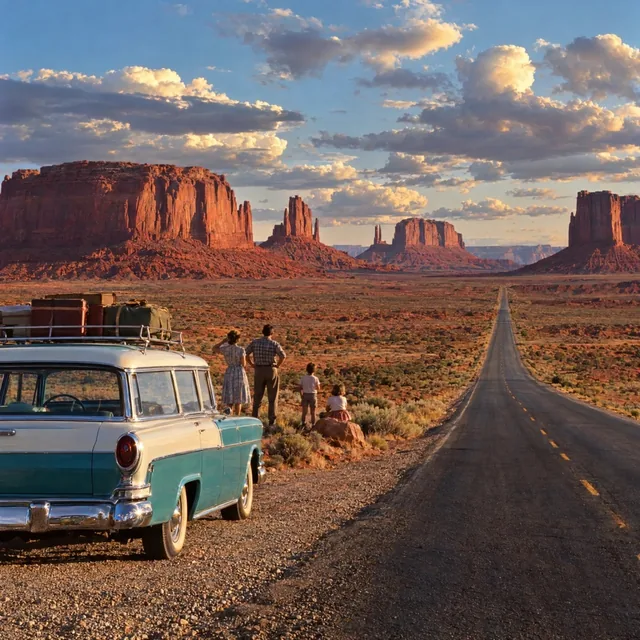
1956American possibility A wider map of possibility
The Federal-Aid Highway Act, signed June 29, established the funding commitment for building the Interstate System. Roads connected more places to one another, reshaping the geography of work, travel and home.
Federal Highway Administration1969
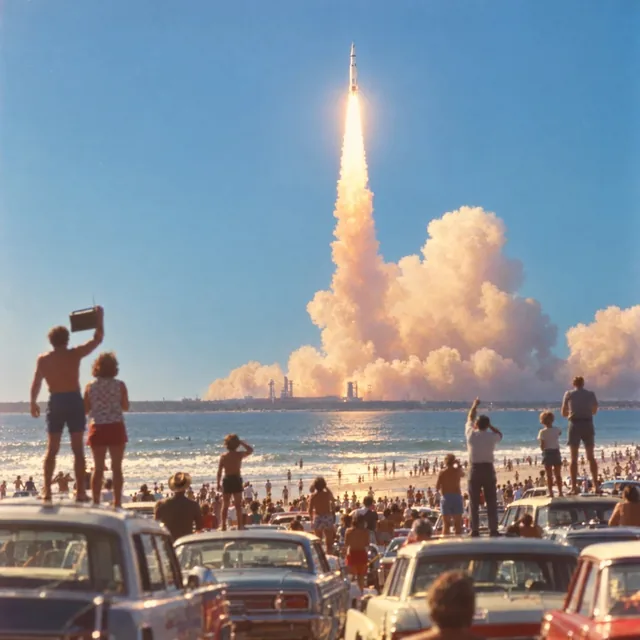
1969American possibility The horizon moves again
Apollo 11 launched on July 16 and landed on the Moon on July 20. A different kind of frontier, but a familiar ambition: build the skills, tools and institutions that make a once-distant possibility real.
NASA · Apollo missions
AI-generated illustrations, styled to evoke their eras. These are not archival photographs or images of program participants. Dates refer to the events described, not to when the images were made.
This is a selection of milestones, not a complete history or a measure of past affordability. Opportunity did not reach everyone equally. Western settlement also involved Native land dispossession; its relationship to homesteading varied by place. Explore that history with the National Park Service.
An enduring idea
“The small landholders are the most precious part of a state.”
Thomas Jefferson, to James Madison · October 28, 1785
Writing from France, Jefferson connected concentrated land ownership with poverty and considered changes to inheritance and taxation. His letter is a historical argument about ownership and independence, not an endorsement of our program.
Read the letter in Founders Online