


Too often, the rules make room scarce.
Zoning, large minimum lots and slow approvals can constrain supply where people want to live. Changing those rules is part of a lasting answer.
Research on minimum lot sizesThe Declaration of Independence · 1776
Own Your Frontier is a privately funded program for working first-time homebuyers. Its assistance lowers the first mortgage, is repaid when the home is sold or refinanced, and then helps the next household.
How the program works


1969 The horizon moves again 11 of 15
Moments from American history, illustrated by AI in the film of their day. They are not archival photographs.
Our first frontier · Homeownership
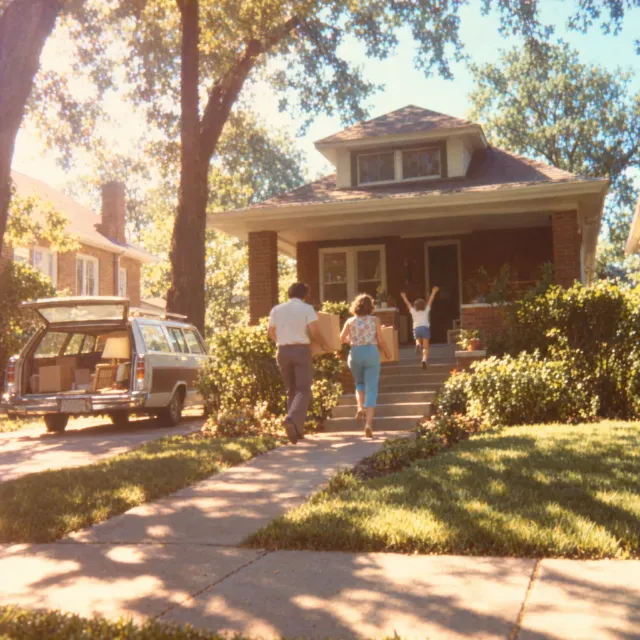
Working hard should create a way forward. Our first program is designed to help working first-time buyers bridge the monthly cost of a home in an established community.
Income, savings, debts, taxes, insurance and the cost of keeping a home all belong in the plan.
The proposed assistance reduces the first mortgage’s principal, with no monthly payment on the assistance itself.
Repayment on sale or refinance, and any agreed share of appreciation, can support future buyers. Terms and outcomes matter.
Building the first fund. Assistance applications are not open yet.
Why this program exists
Since early 2020, national home prices have risen far faster than individual earnings. A higher mortgage rate compounds that change. These are different pressures—and they need different answers.
Case-Shiller national index
January 2020 → June 2026
Median, individual full-time workers
Q1 2020 → Q2 2026
NAR survey of primary-home buyers
July 2024 → June 2025
National measures with different populations and dates; not one household’s experience. Definitions and primary sources →
Explore the monthly gap
$1,158 / monthabove the earnings-adjusted payment
About $174,052 in principal reduction would close this modeled gap. That is why the form of assistance matters.
30-year fixed loan, 20% down, no fees. National Case-Shiller home-price observations: 212.360, January 2020; 336.663, June 2026. Individual median weekly earnings: $957, Q1 2020; $1,251, Q2 2026. This comparison does not follow an actual house or household. Taxes, insurance, maintenance, closing costs and other debts are additional.
| Measure | Amount |
|---|---|
| 2020 equivalent | $1,150 / month |
| If the payment followed pay | $1,503 / month |
| Selected purchase scenario | $2,661 / month |
| Modeled principal reduction | $174,052 |
Sources: Case-Shiller via FRED; BLS earnings via FRED; January 2020 rate. Selected rates are assumptions, not current quotes. This is an explanation, not an eligibility or loan decision.
Full calculator and worked exampleHow the path narrowed
Government decisions belong in the story. So do the collapse of construction after 2008, the cost of financing and the homes that never got built. No single culprit explains every community.
Zoning, large minimum lots and slow approvals can constrain supply where people want to live. Changing those rules is part of a lasting answer.
Research on minimum lot sizesFreddie Mac estimated a shortage of 3.7 million homes in Q3 2024. That is a modeled national estimate, not a count of empty lots or a forecast for every town.
Read the supply estimateBuyers face higher payments. Owners with low-rate mortgages have less reason to sell. That lock-in further limits the homes available to buy.
FHFA’s lock-in researchOur part of the answer: carefully designed assistance can help selected households now. More homes, better rules and stronger local capacity are still necessary.
Follow the researchHow a contribution can keep working
Recoverable assistance puts patient capital behind a household. Money returned to the fund can be used again. Recovery is uncertain, can take years, and requires responsible reserves and administration.
Capital is committed under published terms.
A smaller first mortgage means a lower payment.
Sale or refinance triggers the agreed repayment.
Returned funds can finance the next opportunity.
The first communities
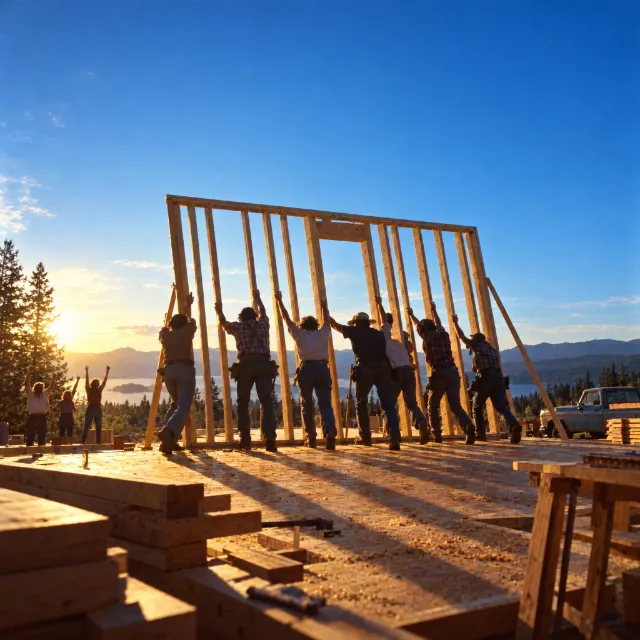
We are beginning with selected Chicago-area communities. Explore local home values, modeled payments and how those costs compare with a working income.
Community profiles inform the program. They are not a promise of funding or a determination of eligibility.
Explore the communitiesBeyond the first home
Own Your Frontier is a larger promise: the chance to own, to build and to stand on your own feet. Homeownership is our first program. These are the next possibilities we are exploring.
01 / Exploring
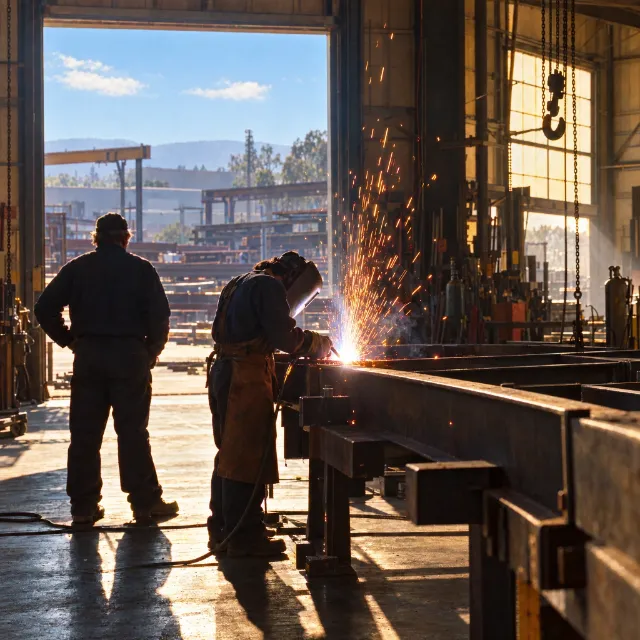
Skills, tools and pathways into work that builds a future.
See the possibility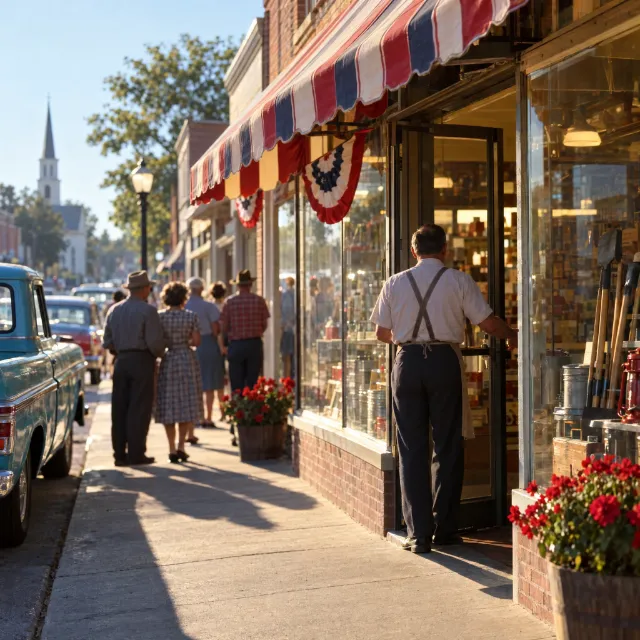
02 / Exploring
Small-business ownership, backed by capable local partners.
See the possibility
03 / Exploring
Repairs and practical support that help a household stay secure.
See the possibilityThese are areas for future program development, not currently available benefits.
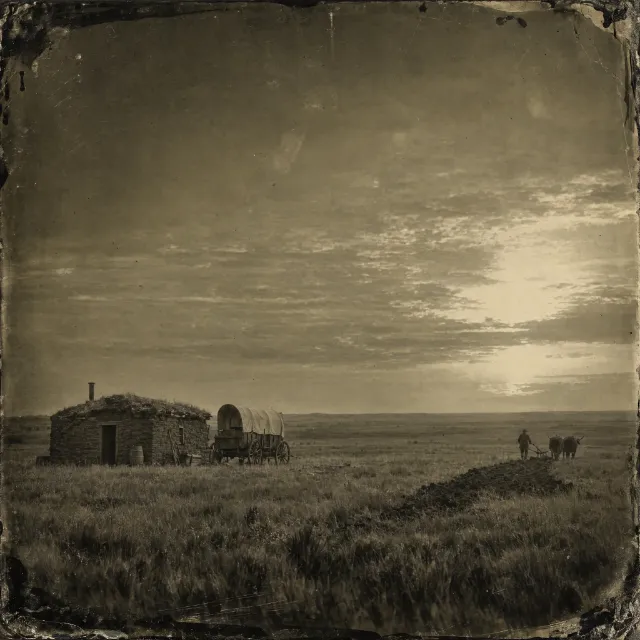
The first American frontier
“…so that every poor man may have a home.”
Abraham Lincoln · Cincinnati, February 12, 1861
On his way to his inauguration, Lincoln came out for a homestead law. He signed the Homestead Act the next year, opening public land to settlers who would live on it and farm it.
Trust should be visible
See what has been received, committed, paid out and returned. These are recorded totals, separate from the scenarios and aspirations above.
Received
$0
Committed to households
$0
Paid out
$0
Recycled
$0
Households helped
0
As of 2026-10-01 11:12 UTC. Every figure comes from the same ledger sponsors see on their dashboards. The full ledger